

After a two-month hiatus, Novak Djokovic has returned to the ATP Tour at the Rome Masters. In his pre-tournament press conference, the 24-time Grand Slam champion opened up about Jannik Sinner’s potential Golden Masters achievement, his own physical condition and clay-court ambitions, and delivered a passionate defense of player rights, taking aim at what he sees as the monopolistic and unjust structures in tennis.
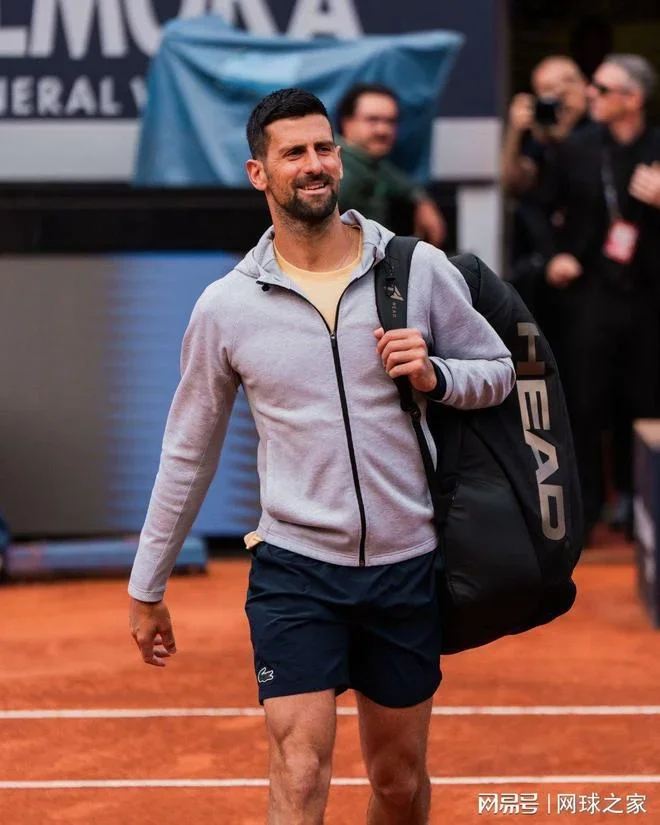
When a journalist welcomed him back with “Novak, welcome back to the ATP Tour,” Djokovic smiled. “It’s interesting to hear that,” he replied. “I’ve only played two tournaments this year, so it feels a bit strange. Of course, it’s great to be back. I wanted to return earlier, but injuries held me back. I had to take more time to gradually recover and prepare for Rome.”
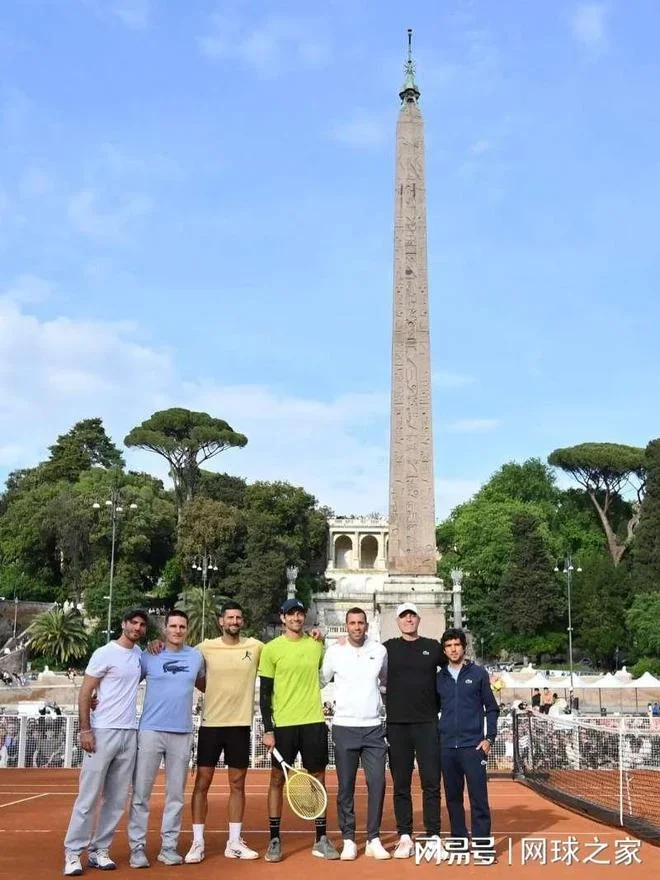
He emphasized his love for the city and the tournament, but quickly clarified that his main focus remains Roland Garros. “The ultimate goal of the clay-court season is the French Open. I hope to play my best tennis there. Of course, I’d like to perform well here too, but my expectations for Rome are a bit lower.”
When the conversation turned to Jannik Sinner’s current hot form, Djokovic was full of praise. He stated unequivocally that Sinner will complete the Golden Masters—winning all nine ATP Masters 1000 titles—and that it might happen sooner than many expect. “Perhaps this year,” Djokovic said, a remark that carries significant weight. With Sinner already holding every Masters title except Rome, the milestone is within reach. Djokovic’s comments not only acknowledge Sinner’s talent but also reflect his admiration for the new generation of top players.
The most pointed moment of the press conference came when a reporter asked about the ongoing dispute over player prize money. Following world No.1 Aryna Sabalenka’s public statement that players might consider boycotting tournaments due to Grand Slam prize distribution issues, Djokovic gave a firm and clear response. “I’ve been on the tour a long time, and you know my stance. I remember when I was president of the Player Council and founded the Professional Tennis Players Association six years ago,” he said calmly. “My position is clear—players will always have my support.”
He specifically praised Sabalenka: “I’m glad to see the new generation stepping up, leaders like Sabalenka who truly understand how tennis politics work and know what to fight for—for themselves and for everyone. That’s real leadership. I salute her, and I hope she keeps it up.”
Djokovic didn’t stop at simple support; he delved into the structural flaws of the tennis system. He pointed out that tennis has four different Grand Slam organizers and seven governing bodies, a fragmented monopoly that leaves players in a weak position. “Many people distort my words, saying that because I’ve won so many Grand Slams, I’m just asking for more money for myself. But they don’t see the situation of lower-ranked players—those struggling to make ends meet, those leaving the sport because of a lack of financial support.”
He cited statistics from the PTPA: “The number of male and female singles and doubles players who can actually make a living from tennis is shockingly small. After travel and team costs, there’s nothing left to save, let alone invest. Tennis is the only global sport where lower-ranked players have no financial security at all.”
Djokovic also exposed the ineffectiveness of the player council system: “I was council president for years, and I know well—the public might think that electing player representatives and having a board means the structure is solid. But in reality, players can’t get what they need.”
When asked about his current role in player advocacy, Djokovic admitted he is now more of an observer, not directly involved in meetings and discussions. “But my stance is very clear: I support the players, and I will always support them having a stronger voice in the tennis ecosystem.” He stressed that top players uniting to negotiate directly with Grand Slams is the right approach. “We have to find a way that benefits the players.”
Throughout the press conference, Djokovic displayed a multifaceted identity: a historic competitor still chasing more Grand Slam titles, and an experienced veteran who sees through tennis politics and is willing to stand up for the next generation. His genuine praise for Sinner and his incisive critique of the system—especially his heartfelt account of lower-ranked players’ struggles—may define Djokovic as far more than just a great tennis player.
